
Coaching youth cricket in the West Indies requires a multi-faceted approach to build a robust pipeline for future success of the national team. Key strategies include implementing structured curricula focusing on fundamental skills, engaging communities to foster love for the game, leveraging cultural inspiration, utilizing advanced analytics, and promoting holistic physical and mental development. Effective communication, open team culture, leadership development, and staying current with cricket trends are vital. By integrating these elements, coaches can nurture a new generation of talented cricketers ready to compete globally, honoring the rich West Indies cricket heritage.
Cricket, a sport deeply ingrained in the cultural fabric of the West Indies, holds immense potential to shape young lives through structured coaching. However, the current landscape faces challenges in developing top-tier talent, with the West Indies cricket team struggling to consistently produce world-class players. This article delves into best practices for coaching youth cricket, offering a comprehensive guide to nurture raw talent and cultivate future stars within the region. By implementing evidence-based strategies tailored to the unique needs of young cricketers in the West Indies, we aim to revitalise the sport’s growth and contribute to the global success of the West Indies cricket team.
- Understanding Cricket Fundamentals: Building a Strong Foundation for Young Players in West Indies cricket team.
- Coaching Techniques for Effective Communication on the Field.
- Physical Development and Injury Prevention Strategies for Youth Cricketers.
- Mental Toughness Training: Nurturing Resilience in Young Athletes.
- Team Dynamics and Leadership Skills: Fostering a Collaborative Environment.
- Game Strategy and Skill Refinement: Preparing Future Stars of West Indies cricket team.
Understanding Cricket Fundamentals: Building a Strong Foundation for Young Players in West Indies cricket team.
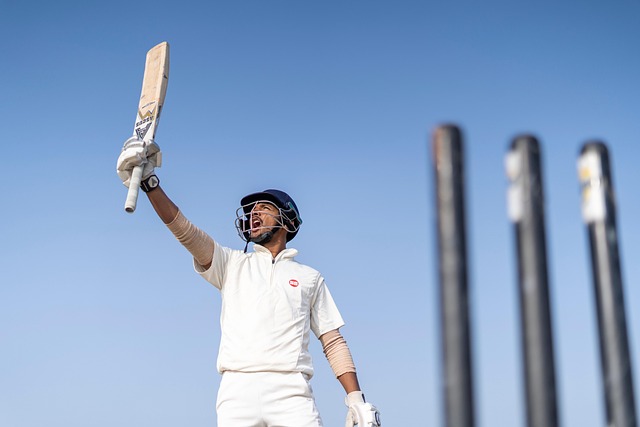
Coaching youth cricket in the West Indies requires a strategic approach to build a solid foundation for aspiring players. The complex nature of the sport demands that coaches break down intricate skills into manageable fundamentals, ensuring young athletes grasp the basic principles before advancing. This foundational stage is critical for the long-term development of the West Indies cricket team, cultivating a pool of skilled players who can contribute at the highest level. One effective method is to adopt a structured curriculum that covers essential aspects like batting technique, bowling accuracy, and fielding proficiency, with an emphasis on understanding cricket’s strategic nuances.
Diving into the specifics, coaches should prioritize teaching fundamental batting techniques, such as proper grip, footwork, and shot selection. Regular drills focused on improving hand-eye coordination and timing will benefit young batsmen. For bowlers, coaching staff must emphasize accurate line and length, along with a variety of deliveries to create movement on the pitch. Fielders require sharp reactions and exceptional communication skills; exercises designed to enhance their agility and ability to anticipate batting decisions are essential. The iconic diving catches for which West Indies cricket is renowned can be incorporated into training sessions to promote this skill.
To foster a holistic development environment, establishing partnerships with local communities and schools can provide access to cricket academies in the Caribbean. These initiatives not only expose young players to top-level coaching but also instill a love for the game. Incorporating elements from historic matches, such as showcasing memorabilia from past West Indies cricket legends, can inspire and motivate these future stars. For instance, sharing stories of iconic victories and the gear used by legendary players can create a sense of connection and pride in the sport’s heritage. By combining quality coaching, community engagement, and a rich cricket culture, the West Indies cricket team’s pipeline will be bolstered, ensuring its continued success on the global stage.
Additionally, regular assessments and feedback are vital to gauge progress. Coaches should utilize advanced analytics and observation techniques to identify areas of improvement, allowing for personalized training programs. Find us at Cricket academies in the Caribbean offers a unique opportunity to connect aspiring players with expert guidance, creating a supportive environment where they can flourish and one day represent the vibrant West Indies cricket team.
Coaching Techniques for Effective Communication on the Field.

Effective communication is a cornerstone of successful coaching, especially when developing young talent for the West Indies cricket team. The dynamic nature of the game demands that coaches employ varied techniques to ensure players understand tactics and instructions clearly. In the vibrant cricket culture of the West Indies, where passionate fans follow every ball with fervor, effective communication can also foster a positive social media impact, enhancing the overall experience for supporters and promoting the growth of cricket tourism.
Cricket academies across the Caribbean play a vital role in nurturing young players, and coaches here have a unique opportunity to shape not just technical skills but also communication abilities. For instance, encouraging active listening by asking players to paraphrase instructions can lead to better on-field execution. When coaching diving catches, for which West Indies cricket has a storied reputation, coaches should demonstrate the catch’s mechanics while emphasizing the importance of quick reaction times. Practical drills that simulate match scenarios help players translate communication into action under pressure.
Leveraging technology, such as video analysis and sport-specific apps, can enhance communication strategies. Coaches can now provide instant feedback to players, ensuring everyone is on the same page. Moreover, social media platforms offer a direct line of communication between coaches and fans, creating a sense of community around the West Indies cricket team. This engagement not only inspires younger players but also drives cricket tourism, with fans eager to witness the team’s prowess in person. Encouraging open dialogue between players and coaches fosters an environment where learning and improvement are continuous, mirroring the dynamic spirit of West Indies cricket itself.
To further enhance communication effectiveness, coaches should consider cultural nuances and diverse learning styles among their charges. Embracing inclusive practices, such as incorporating cricket media coverage in regional languages, can create a welcoming atmosphere for players from various backgrounds. By giving us a call at Breaking gender barriers in West Indies cricket, we can ensure that these coaching techniques are accessible and impactful for all, shaping the future of the sport in the region.
Physical Development and Injury Prevention Strategies for Youth Cricketers.

Cricket, a sport deeply ingrained in the cultural fabric of West Indies, has witnessed significant growth among its youth. As the talent pool expands, focusing on physical development and injury prevention becomes paramount for the long-term success of young cricketers and the future of the West Indies cricket team. This section delves into best practices tailored to the unique needs of young athletes in this region, drawing parallels with notable series like Pakistan vs. West Indies test matches and highlighting achievements of female cricketers from the Caribbean.
Physical development should start at a foundational level, focusing on strength, flexibility, and coordination. A structured warm-up routine before each training session and game is essential to prevent injuries. Incorporating dynamic stretching exercises, such as leg swings and arm circles, prepares muscles for high-intensity movements seen in cricket. For instance, data from the West Indies v. India cricket series (1-3) can offer insights into the physical demands of top-level cricket, emphasizing the need for athletes to develop resilience and robustness early on.
Injury prevention strategies should be holistic, encompassing not just training methods but also education and lifestyle choices. Teaching young cricketers about proper technique, especially in bowling and batting, reduces the risk of overuse injuries. Rest days and periodization in training programs are critical to avoid burnout, as seen in the relentless pace of international cricket. Moreover, promoting a balanced diet and adequate hydration supports overall athletic performance and recovery. Encouraging off-field activities like yoga or swimming can enhance flexibility and strength, mirroring the diverse playing styles within the West Indies cricket team and Caribbean cricket culture and traditions.
Finally, coaches play a pivotal role in mentoring young cricketers. They should be adept at identifying individual strengths and weaknesses, tailoring training accordingly, and fostering an environment that encourages open communication about pain or discomfort. By embracing these best practices, we can nurture the physical growth of young athletes, ensuring they remain injury-free and prepared to represent the West Indies cricket team on the global stage.
Mental Toughness Training: Nurturing Resilience in Young Athletes.
Mental toughness is a cornerstone of success for any athlete, and this is especially true for young cricket players aspiring to don the iconic West Indies jersey. Nurturing resilience in these up-and-coming athletes can significantly influence their performance and long-term impact on the West Indies cricket team. The rich cricket history of the West Indies, from legendary victories at iconic grounds like Sir Vivian Richards Stadium in Antigua to the memorable triumphs of longest-serving captains like Brian Lara, underscores the importance of mental fortitude in achieving greatness on the international stage.
Training for mental toughness should start early and be integrated into comprehensive coaching programs. Coaches play a pivotal role in helping young players develop this crucial skill set by creating environments that encourage risk-taking, foster adaptability, and promote positive self-talk. Practical strategies include setting achievable goals, teaching coping mechanisms for pressure situations, and regularly exposing players to challenging scenarios that simulate high-stakes cricket matches. For instance, scenario drills where players must make quick decisions under time constraints can enhance their ability to stay composed during crucial moments on the field.
Beyond individual skill development, building a supportive team culture is essential. Encouraging open communication among peers allows young cricketers to learn from one another’s strengths and develop strategies for overcoming mental barriers together. Regular debriefs after matches or practice sessions can provide opportunities for reflection, where players discuss their experiences, what went well, and areas for improvement. This process not only promotes individual growth but also strengthens the collective mental resilience of the team, mirroring the spirit of unity that has historically contributed to memorable victories for the West Indies cricket team.
To further enhance these efforts, engaging with specialized sports psychology services can be invaluable. Experts in this field can offer tailored programs and guidance on addressing specific mental health challenges faced by young athletes. Moreover, increasing media coverage focused on mental wellness in sport, as seen with initiatives like Breaking gender barriers in West Indies cricket, can help normalize conversations around resilience and mental toughness, inspiring a new generation of cricketers to embrace these essential aspects of their game.
Team Dynamics and Leadership Skills: Fostering a Collaborative Environment.

In the development of any West Indies cricket team, be it youth or professional, fostering a robust team dynamic and cultivating strong leadership skills are paramount. These aspects form the foundation upon which champions are built, fostering an environment conducive to collaboration, mutual respect, and collective success. To achieve this in West Indies cricket, coaches must actively encourage open communication, ensuring every player feels heard and valued for their unique contributions. This collaborative approach mirrors the spirit of the game itself, where diverse talents come together to create a symphony of skill and strategy.
Consider the impact of incorporating female cricketers from the Caribbean into these frameworks. Their participation not only promotes gender equality but also enriches team dynamics with varied perspectives and experiences. Moreover, leveraging social media platforms can amplify the reach and engagement of West Indies cricket enthusiasts, fostering a sense of community that transcends geographical boundaries. However, coaches must be mindful of the influence of social media on players’ mental health and focus on teaching resilience and digital literacy to navigate this modern landscape.
Umpiring, another critical aspect of cricket administration in the West Indies, requires meticulous training and consistent application of rules to ensure fair play. Effective umpires can enhance the overall quality of matches, including those involving youth teams, thereby elevating the standards of cricket tourism in the region. Similarly, staying abreast of cricket fashion and equipment trends can provide insights into enhancing performance while adhering to safety protocols. For instance, finding us at Cricket bats from the West Indies, locally sourced or crafted, could offer players a connection to their cultural heritage while enjoying the latest technological advancements.
In conclusion, cultivating a collaborative team environment and fostering leadership skills in West Indies cricket are essential for nurturing champions. By integrating these best practices, coaches can prepare not only formidable teams but also responsible citizens who embody the values of the game both on and off the field, contributing positively to their communities and the broader cricket ecosystem.
Game Strategy and Skill Refinement: Preparing Future Stars of West Indies cricket team.

Coaching youth cricket in the West Indies involves more than just teaching fundamental skills; it’s about cultivating future stars for the national team, instilling a love for the game that resonates with the rich history of West Indies v. India cricket series and memorable victories on iconic local grounds. To achieve this, coaches must prioritize strategic thinking and meticulous skill refinement. The West Indies’ successful past campaigns against top sides like India highlight the need for players to possess not just raw talent but also sophisticated tactical awareness.
One effective approach is to integrate game-based learning, encouraging young athletes to think strategically even during practice sessions. For instance, setting up scenarios that mimic high-pressure situations from international matches can help players develop quick decision-making skills. This could involve simulating one-day cricket formats with limited overs or creating field placements that challenge batters to play different shots, much like the diverse terrain found across West Indies cricket grounds. Mastering these tactical nuances is crucial for success on both domestic and international stages.
Skill refinement should also be holistic, focusing not only on traditional batting, bowling, and fielding techniques but also on fitness and mental resilience. The demanding nature of modern cricket demands that players possess exceptional agility, speed, and endurance. Incorporating training regimens that enhance these attributes can significantly improve performance, as demonstrated by several West Indies players who have achieved remarkable diving catches, showcasing their athleticism in the field. Regular conditioning sessions and targeted skill drills not only refine abilities but also instill a growth mindset, essential for overcoming challenges on the international stage.
Furthermore, coaches should foster an environment that encourages open communication and feedback. This enables players to understand their strengths and areas for improvement while developing a competitive yet supportive team culture. Engaging in regular debriefs after practice sessions or matches allows coaches to provide tailored guidance, ensuring each player’s development aligns with the strategic goals of the West Indies cricket team. By combining tactical intelligence, physical conditioning, and mental fortitude, the coaching staff can nurture a new generation of stars ready to compete at the highest level, honoring the rich cricket heritage of the West Indies. Find us at the heart of these developments during memorable matches on local grounds, where young athletes learn from each experience, aiming to one day don the iconic West Indies jersey.
The article offers a comprehensive guide to coaching youth cricket in the West Indies, highlighting crucial best practices for developing future stars of the national team. Key insights include mastering cricket fundamentals as a foundational stone, employing effective communication techniques during coaching to foster understanding on the field, prioritizing physical development and injury prevention strategies to ensure long-term athlete health, cultivating mental toughness to nurture resilience among young athletes, promoting positive team dynamics and leadership skills for a collaborative environment, and refining game strategy and skills to prepare players for competitive play. By implementing these practices, coaches can significantly enhance the performance and potential of West Indies cricket team prospects.